
Supporting Your Child Through Anxiety: Taming Lions, Tigers, and Bears Together
Helping your child to navigate anxiety can be overwhelming as a parent! Especially if you also struggle with anxiety, which is very common! Twin and family studies have estimated the heritability of anxiety disorders to be between 30-50%.
This statistical detail is important to understand. When researchers say that, they mean that approximately 30-50% of the variation in risk is associated with genetic differences. The remaining 50-70% of the risk (of developing an anxiety disorder) is associated with environmental factors and life experiences.
Even among identical twins who share 100% of their genes, one twin may develop an anxiety disorder and another may not. This tells us environment matters tremendously. At least half of the variation is not explained by genetics.
Unlike some other medical conditions, anxiety disorders are polygenic. This means hundreds or thousands of genes each contribute tiny effects. Genes may influence traits such as:
Behavioral inhibition
Sensitivity to threat
Emotional reactivity
Stress response
Temperament
Neuroticism (a broad personality trait that reflects a person’s tendency to experience negative emotions more frequently, more intensely, and for longer periods of time than average)
Serotonin and dopamine functioning
No single “anxiety gene” exists. Instead, many small genetic influences combine with life experiences.
Environmental Factors Contributing to Anxiety
When we say “environmental factors” account for 50-70% of the risk (of developing an anxiety disorder), what counts as the “environment”? Many people think the “environment” refers only to parenting, but the term is much broader.
There is the shared environment, which are things siblings experience together:
Family income
Neighborhood
Parenting style
Family culture
Religion
Major family events
There is also the non-shared environment, which are things that differ between siblings and are unique to an individual:
Different teachers
Different friend groups
Illnesses
Bullying experiences
Trauma
Random life events
Research continues to evolve about these complex interactions, but it is surprising that non-shared environmental factors are equally, if not more, important than the shared environment when it comes to a child’s risk of developing an anxiety disorder.
As a play therapist, I think the most important take away is not that the shared family environment doesn’t matter or that parenting doesn’t matter. Rather, it's that each child has their own emotional experiences based on their own unique lens of perception and interpretation.
Two children can live in the same house and construct very different emotional realities.
The reality is that two children raised in the same home can end up with very different levels of anxiety.
For example, one child may inherit:
High emotional sensitivity
Strong physiological arousal
Greater threat detection
But whether that develops into a clinical anxiety disorder depends on many factors:
Attachment relationships
Stress exposure
Trauma
Social support
Coping skills
Protective experiences
Play therapy provides a secure attachment relationship and increases a child’s social support, coping skills, and protective experiences. Play therapy can also help a child to process a specific trauma contributing to anxiety.
As a parent, what else can you do to create a home environment that does not increase your child’s risk for anxiety?
Below are seven of my imperfect suggestions as a mom and play therapist. I have found that these seven action items consistently reduce anxiety in children significantly, but always talk to your child’s own therapist or pediatrician before taking any random stranger’s internet advice.
First: Individual Therapy for Yourself
Try to relieve yourself of feelings of guilt or inadequacy if your child is experiencing anxiety. Anxiety disorders are very common. Approximately 10% of children have a diagnosable anxiety disorder in the U.S.
Remind yourself of all of the complex genetic and environmental factors at play (explained above!).
If you are feeling triggered, talk to an individual therapist about these feelings. Supporting a child through anxiety can dysregulate your own nervous system, so having a strong personal support system in place is important. Your child’s anxiety can also bring up a lot of memories and feelings from your own childhood (maybe your parents invalidated your anxiety?; maybe your parents hyper-fixated on your anxiety?; etc.). Talking about these memories with an individual therapist will help to decrease your triggers and ground yourself.
A good therapist trained in working with anxiety and/or OCD can remind you when needed: You’re a good parent! It’s just an intrusive thought!
The more regulated you can show up for your child, the more you can stay in that middle ground where you can help coach them through anxiety without giving in/accommodating their anxiety OR challenging your child too much/being too critical or harsh about their anxiety.
Even if you are not worried about or triggered by your child’s anxiety, going to individual therapy can be really helpful. I always think that therapy helps parents to increase their emotional intelligence and decrease their stress levels, both super helpful tasks when your child has anxiety. If you can practice “name it to tame it” with your own feelings in individual therapy, it will be even easier to help your child “name it to tame it.”
Second: Anxiety Coach
Read or listen to this super, super helpful book: Anxiety Coach: A Parent’s Guide to Treating Childhood Anxiety and OCD by Dr. Stephen P.H. Whiteside.
Dr. Whiteside explains that anxiety is a normal alarm system that becomes overprotective. The problem is not the anxiety itself; the problem is the child's attempts to escape, avoid, or eliminate anxiety. Those avoidance behaviors teach the brain that the feared situation is dangerous, which keeps anxiety alive.
Avoidance is the fuel that keeps anxiety burning brighter and brighter! The anxiety immediately decreases after avoidance, which feels like success. But that relief teaches the brain: “Keep being afraid.” It’s essentially sort of addictive.
Exposure is a learning experience and a series of experiments. Through exposure, the child gradually tests predictions such as:
"What happens if Mom leaves for five minutes?"
"What happens if I touch the dirty object?"
The child discovers:
Anxiety rises.
Anxiety peaks.
Anxiety falls.
The feared catastrophe usually doesn't occur.
Over time, the brain updates its danger estimate.
Whiteside compares parents to athletic coaches because a good coach is warm, supportive, and encouraging, while also being firm, persistent, and focused on growth. A good coach does not remove every challenge from the athlete's path. Instead, the coach helps the athlete face challenges. Remember too, that you can absolutely be an excellent coach for your child, even if you have anxiety yourself!
One reason that child-centered play therapy can be extremely helpful for anxiety is that children naturally gravitate towards exposure therapy in the playroom. A good child-centered play therapist is constantly communicating her faith in the the child’s capacity to face fears. In play therapy, children repeatedly experience strong emotions; a calm, accepting therapist; and successful recovery from distress. Over time, the child develops greater capacity to tolerate emotional activation. Their internal self-talk becomes: “I can have big feelings and survive them. I can face my fears.”
Anxiety often communicates, “I can't handle this.” Play therapy repeatedly communicates, “You ARE capable!”
Children are responsible for making decisions throughout play therapy about:
What to play
How to solve problems
How to express emotions
The therapist assumes that the child is capable and competent. Over time, children begin to experience themselves as effective and capable.
The need for children to feel capable is also the reason that independence therapy is often prescribed for childhood anxiety. From the independence therapy website: “Anxiety is the awful belief that life is full of challenges you can’t handle, and that if you try, you will fail and be hurt. Kids need PROOF that this is not the case. Independence gives them that.” Independence therapy is something you can begin on your own as a parent at home! Request a free copy of all the materials here: https://letgrow.org/join/
If you’re not sure what your child could be able to do independently at their age, check out this helpful list: https://empathywell.com/2024/08/essential-tasks-for-each-age-to-help-children-develop-confidence-life-skills-and-responsibility/
Third: Psychoeducation at Home
If your child is a little older (like maybe starting around age 8?), I would try to do some more psychoeducation about anxiety at home to try to help the entire family use the same language about anxiety…but only if your child responds well to this type of learning.
The books I really love are Hey Warriorand Hey Awesomeby Karen Young. I would read these books together, with the whole family.
I would also watch these videos by Karen Young with your child at home… one at a time, slowly, like over the course of a month or so: https://heysigmund.com/category/with-kids/anxiety-videos-for-kids/
Helping your children name it to tame it (identifying feelings and allowing them) will, over time, help them to harness the gifts of anxiety. We love the Generation Mindful Time-In Toolkit or this set of calming corner posters and also the Pebble Path Journal: Empathy Bridge.
Fourth: Consider Supplements and Regular Exercise
I am not a medical doctor, so please talk to your child’s pediatrician before supplementing. These are vitamins/minerals research shows are associated with mental health that children may be deficient in. Every child’s brain is different.
Consider giving:
-Multivitamin with iodine and iron
-Methylfolate
This is a type of B-vitamin that is used by the brain more effectively. Give in the morning.
This kind is relatively flavorless: JoySpring Methylfolate for Kids, 5-MTHF Plus Methyl B12 with B6 (P5P) - MethylBee
-Magnesium Glycinate
This is a type of magnesium that is used by the brain more effectively. Give at night.
My children have been enjoying the Oh My Chewy kind.
-Omegas
Supports the overall health of developing brains.
This kind is unfortunately expensive, but children like the taste: Barlean's Organic Oils Seriously Delicious Omega-3 High Potency Fish Oil, Key Lime Pie (or other flavors!)
-Mama Chia (chia seeds that children usually tolerate) + Keifer (many flavors abound to keep children interested!)
Supports the gut microbiome that produces serotonin, reducing anxiety. Try to get your children to drink a little cup of each at least every day.
Relatedly, don’t forget that your child getting in some regular outdoor time and physical exercise consistently can reduce anxiety.
Fifth: Limit Scary Information Intake
When children are experiencing more anxiety, it’s good to be really mindful of their information intake. A random children’s show on YouTube can involve a story about how a parent died or can show cruel bullying. Even if it’s meant to be a cautionary tale or a tale of resilience, these types of stories can be really triggering when a child is experiencing more anxiety.
A child who is anxious is more likely to be more empathic and imaginative, so stories can feel really, really real to them.
Our brains did not evolve to be taking in as much information as we are today.
School already provides so much information as it is. Whether it’s learning about volcanoes, earthquakes, or active shooter drills in the classroom, children are already learning about so many scary things at school. To give children time to process and integrate this information so that it is useful, it’s better not to continue their exposure to too much information at home.
I recommend parents not allow: the news to be on in the background around children; YouTube or YouTube Kids shows (just contains too much unmonitored information); any type of short-form content (rushes a child’s brain, and a rushed child is an anxious child); Netflix shows in general… this one is controversial I know, but Netflix just has so many shows and so much content that it is overwhelming for children in my opinion. So many of the shows involve children being orphaned or some tragedy occurring. Again, just my personal experience and opinion!
Sixth: Reach out to a Psychiatrist
Seek more support as needed. Child psychiatrists have a whole arsenal of tools in their tool belt. Don’t be afraid to give your child medication if it’s recommended. Medication can set your child up for success and facilitate more adaptive responses to anxiety for life. Taking this step if it’s needed can have long-term positive consequences for your child’s developing sense of self-worth and self-competence.
Seventh: Don’t Forget the Gifts of Anxiety
Try your best to focus on the gifts of anxiety. Easier said than done when you are feeling it! Many children (and adults!) with anxiety are highly empathic and highly imaginative! Such wonderful gifts to humanity!
Reading The Wisdom of Anxiety by Sheryl Paul can guide this journey as an anxious parent.
Anxiety comes and goes and peaks and wanes at different developmental stages and after different triggers throughout childhood.
The SchoolPlay team is here to support you and your child through the rough and overwhelming waves of anxiety. You are not alone!
Warmly,
Dr. Alison
Please note: As an Amazon Associate, I earn from qualifying purchases. However, I only recommend products that I personally use and trust.
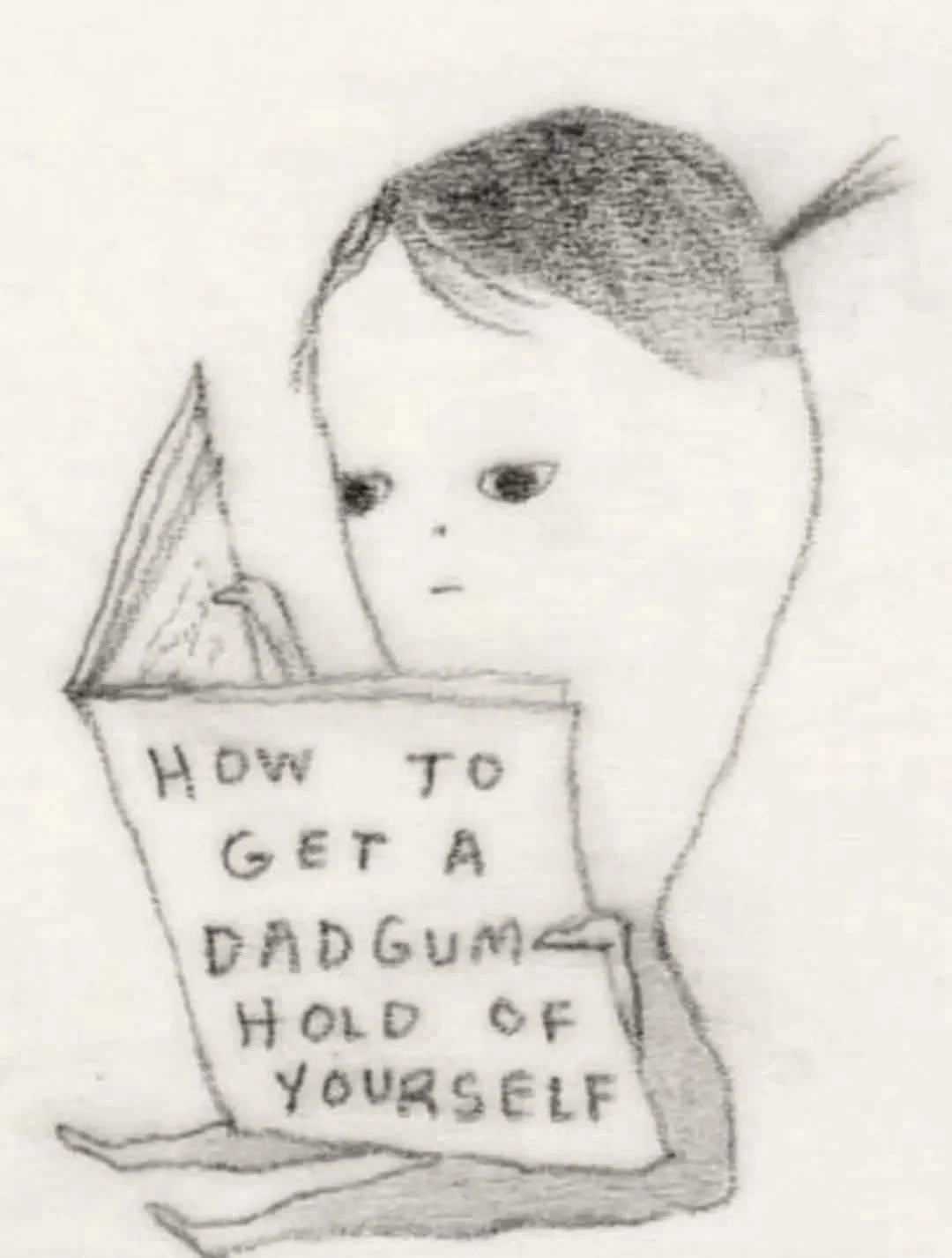
I saw this on Pinterest without an artist name. It is so excellent. If you are the creator, please let me know.
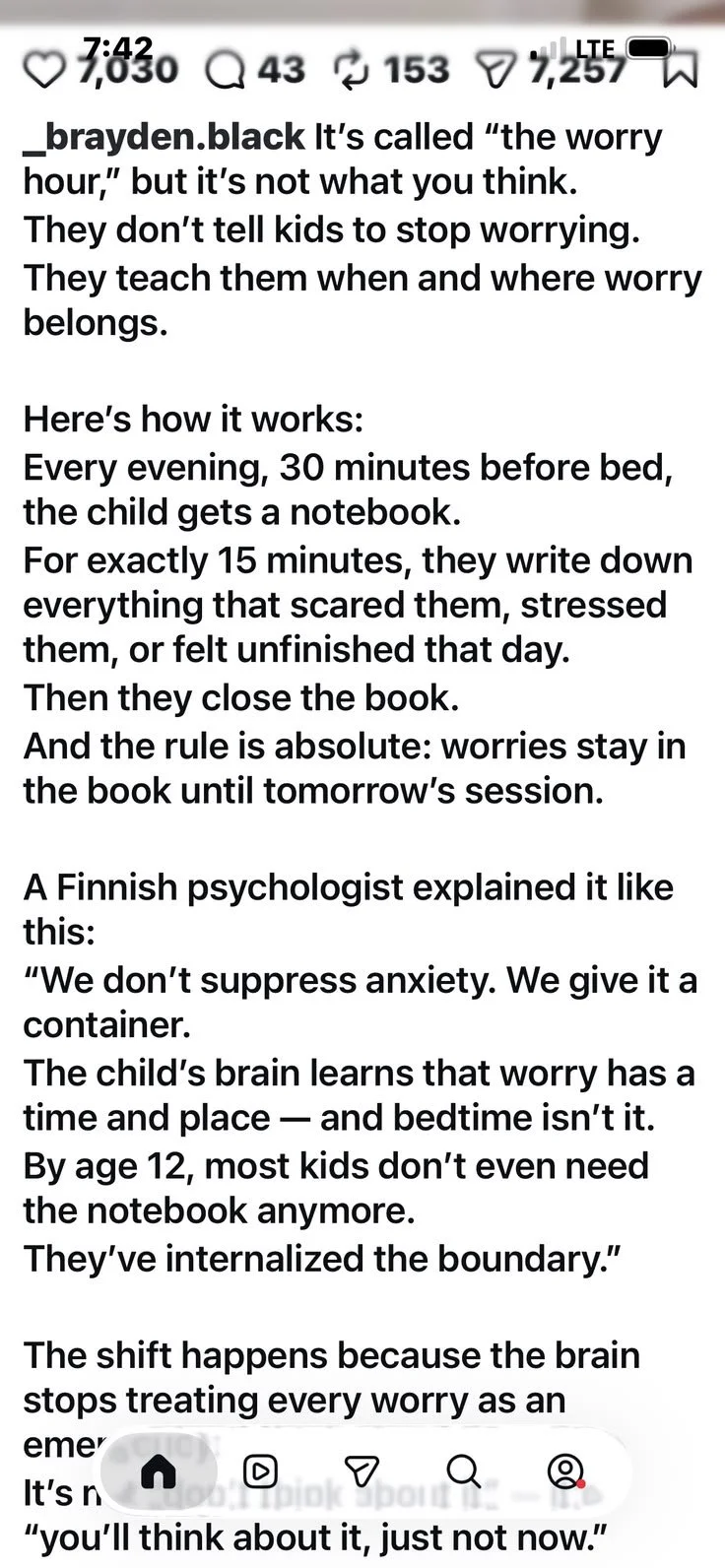
This strategy can help older children with enough consistency and practice over time.
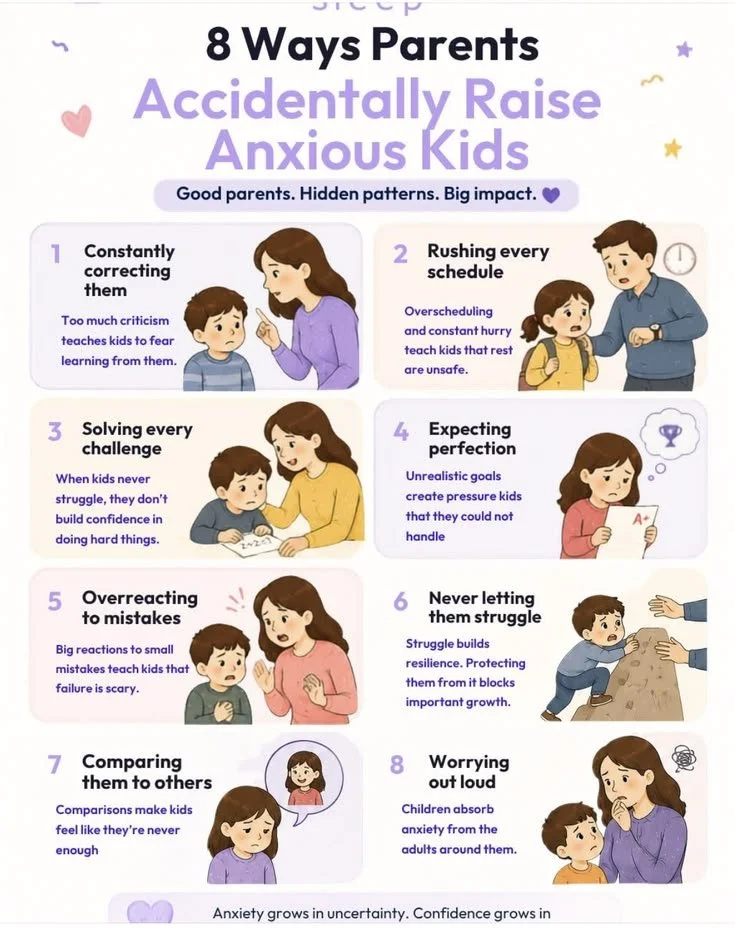
Again, it’s more complicated than this image shows, but these are some good ground rules for parenting!